Architecture
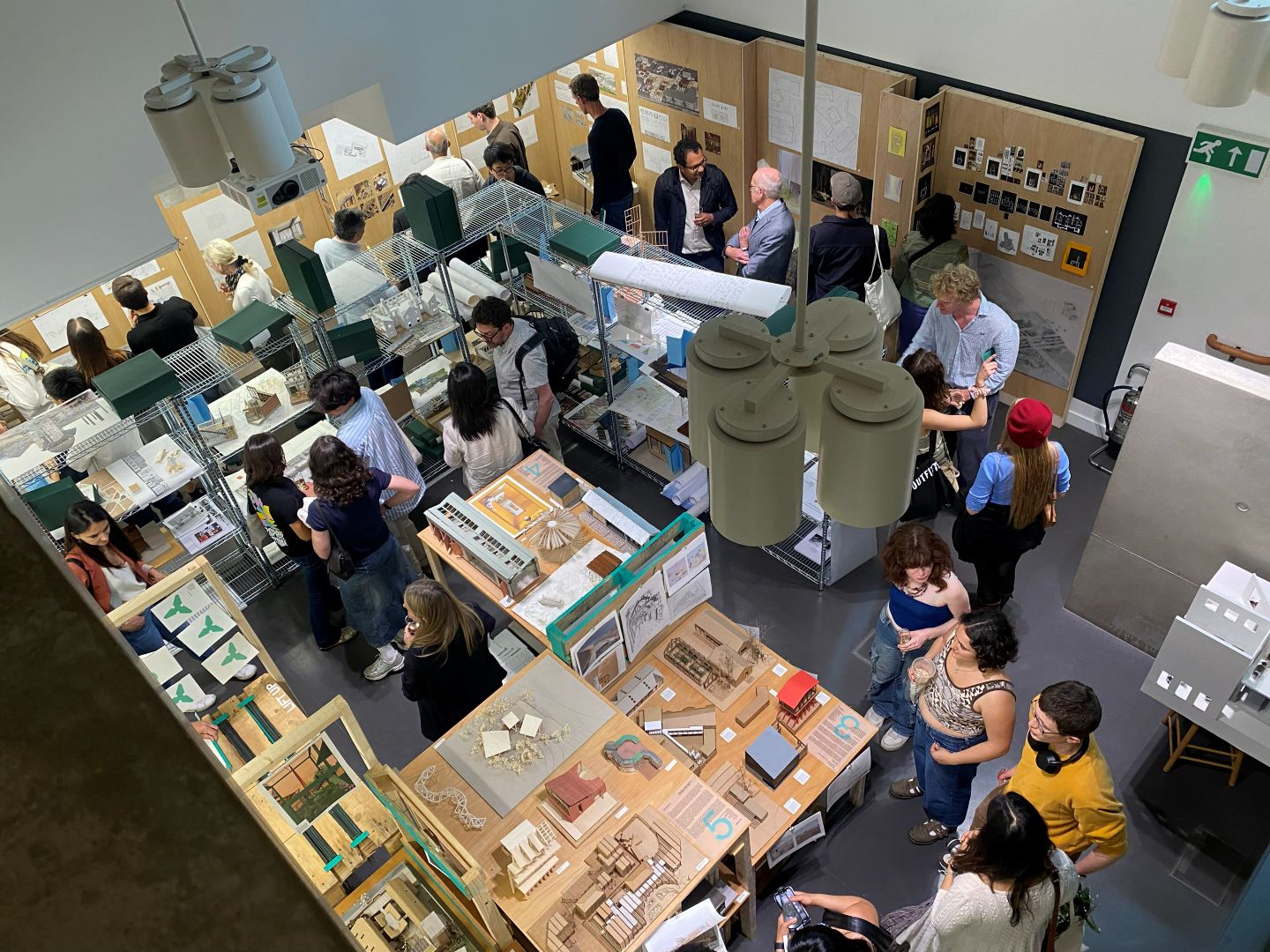
Studying architecture is a journey that engages with the humanities and sciences, for both are needed in order to understand the social and material space that we inhabit and to imagine a possible project for it: a building, a piece of furniture, a fragment of a city or landscape.
Architecture is deeply rooted in the humanities, that is in history, theory, and criticism, and it is entwined with art. In fact, making architecture requires imaginative actions that are abstract and visual, like drawing. While relying on strong theoretical principles and artistic sensitivity, architecture is indeed a practice, a set of acts by which theoretical principles and imaginative ideas are implemented in concrete instances.
- UCAS Code: K100
- Campus Code: 4
- Duration: MArch 4 years full time or BA (Hons) 3 years full-time
- Places per year: 2-4
Entry requirements
Minimum offer level
A-Level: A*AA
IB Diploma: 42 points, with 776 at Higher Level
Please also read our Entry Requirements page.
Subject requirements
Whilst we don’t require any specific subjects to apply to Architecture, we would recommend certain subjects for a strong application:
- Art & Design
- Mathematics or Physics
- A humanities subject
The course demands that students are able to draw with precision and to develop ideas in visual ways, so students are likely to have studied Art at school before applying to read Architecture. Similarly, the study of Mathematics or Physics provides crucial grounding for the technical aspects of design. Since the Architecture course has a significant essay component, we recommend a subject in the humanities for a strong application, like English, History, History of Art, Philosophy, Geography.
Why Trinity Hall?
Trinity Hall offers an inspiring setting for you as an Architecture student, where the College itself becomes part of your learning experience.
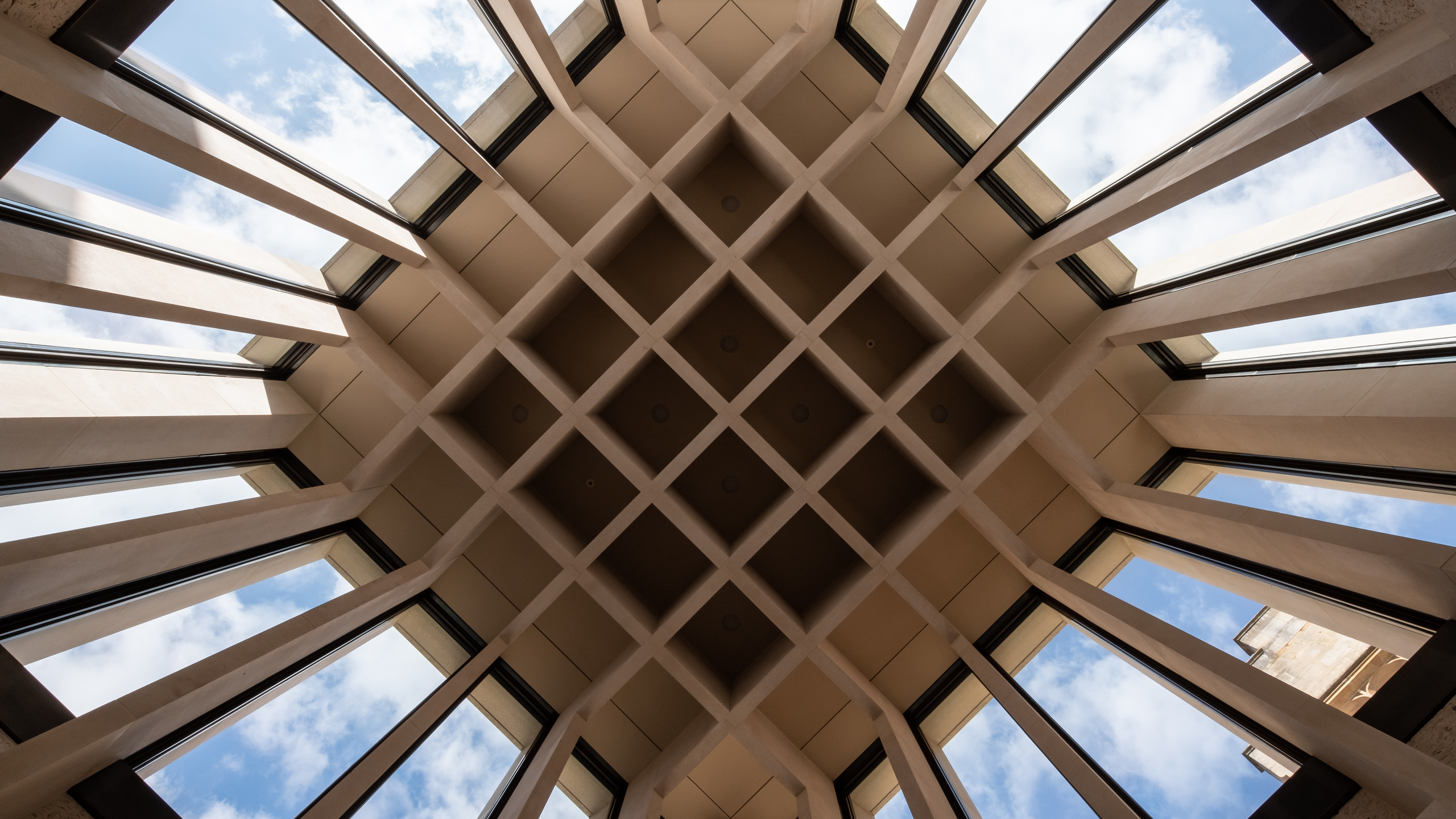
Our idyllic setting on the banks of the River Cam reflects the evolution of architecture from medieval courts to late Gothic Revivals to modern award-winning design like the Jerwood Library and WongAvery Music Gallery.
You’ll be part of a lively student cohort, guided closely by a Director of Studies who supports you through every stage of the course, and you’ll join a tradition that includes graduates who have gone on to award-winning careers.
Read more about studying Architecture at Trinity Hall.
Architecture at Cambridge
Admissions process
Written work
All Colleges will ask Architecture applicants to submit a PDF (6 A4 pages, and less than 15MB in size) of their own artwork prior to interview. The selection of images should, in part, reflect material you might bring to interview as part of your portfolio.
You do not have to send this work before applying; we will write to you after you have applied and let you know exactly what you need to send and when.
Admissions assessment
If shortlisted for interview, you will be asked to take an admissions assessment. The College will register you for this – you do not need to register yourself. See also the University website’s page on College Admission Assessments.
Interviews
Two interviews, usually around 25 minutes each.
Portfolio
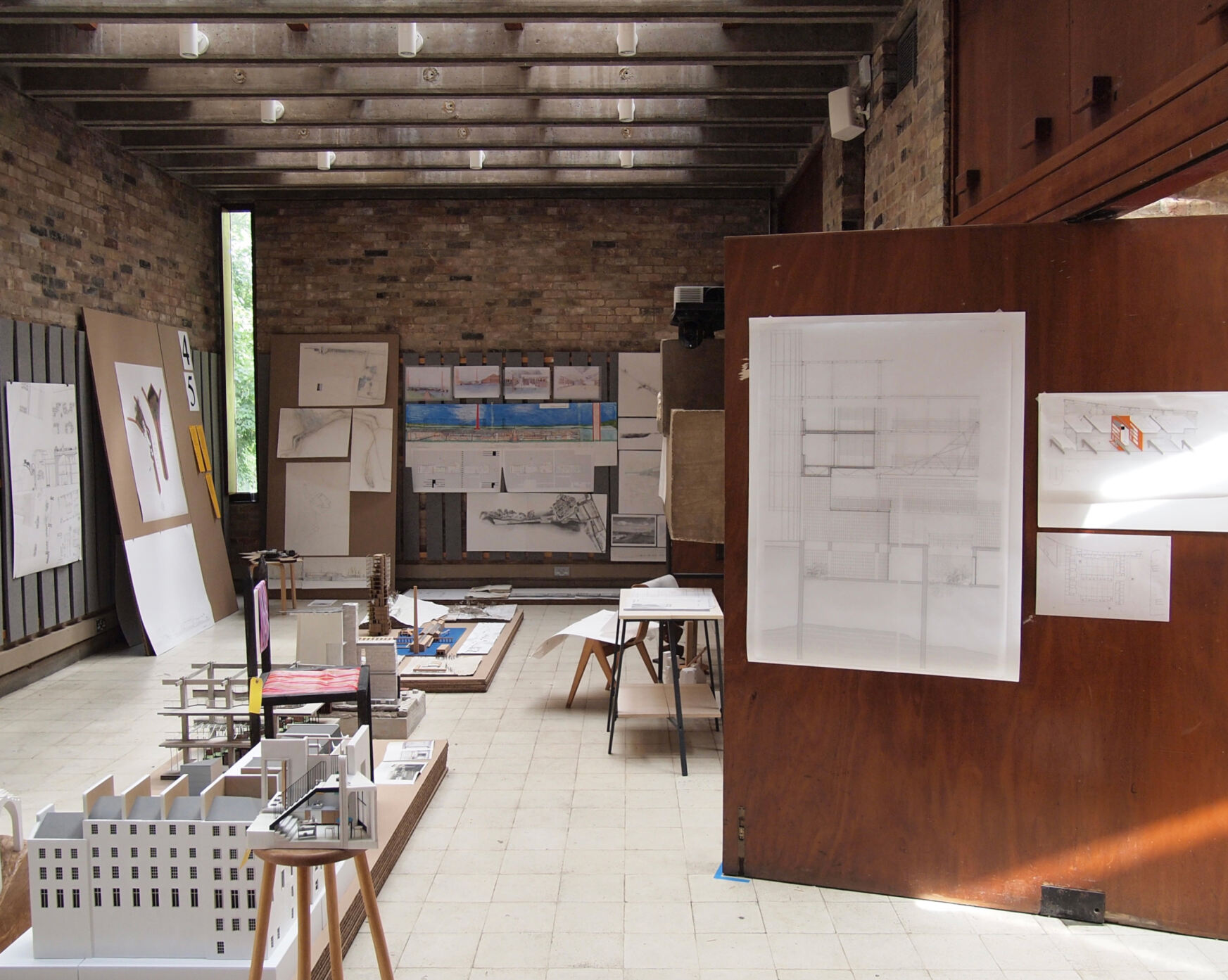
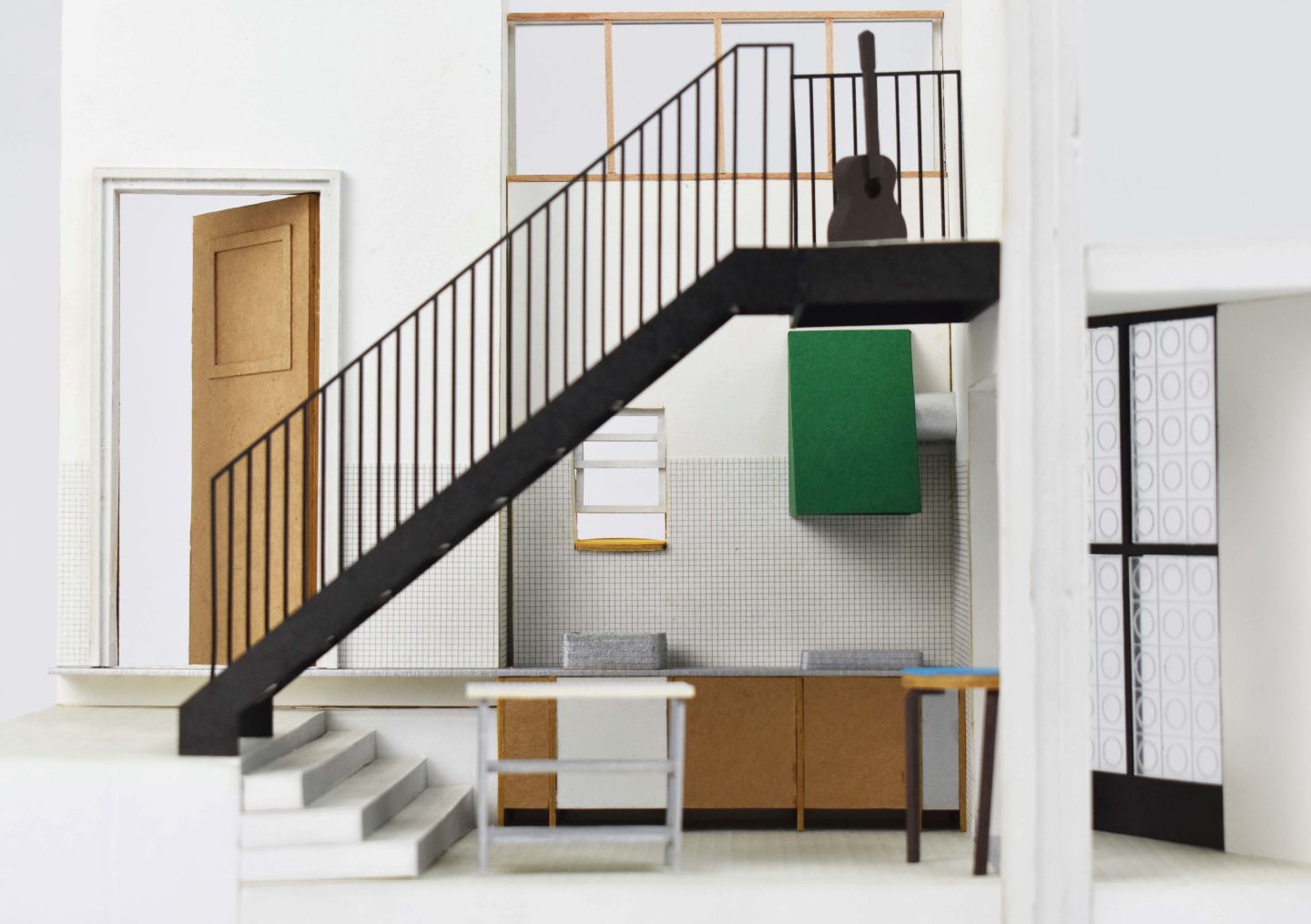
If invited for interview, candidates are asked to present a portfolio of art work, either from their school studies or work produced independently. This can include a wide range of work, including drawings, paintings, sculpture* and photography. (*If you want to show us 3-D work, it’s usually sufficient to show it through photographs.)