Student journalists recognised for rigorous and impactful reporting
Posted:
13 Mar 2026
This year’s Trinity Hall Prize in Student Journalism once again highlighted the depth and quality of reporting produced by Cambridge students, with a highly respected judging panel recognising work that tackled complex, timely and compelling issues.
Announced at a College event yesterday (12 March), the winners of the only journalism prize of its kind at Cambridge emerged from an impressive and diverse range of submissions. Together, they reflect the creativity, rigour and ongoing strength of the University’s student journalism community.
Following the presentation to the winners, the Prize judges – Andrew Baker, Mary Hockaday and Datshiane Navanayagam – alongside University of Cambridge Executive Director of Communications and Trinity Hall alumnus, James Helm, spoke about how they forged their careers, their advice for aspiring journalists and why, despite the challenges, good journalism is more important than ever. The event concluded with a ‘speed meet’ and drinks reception, bringing together attendees, prize‑winners and judges for relaxed networking and conversation.
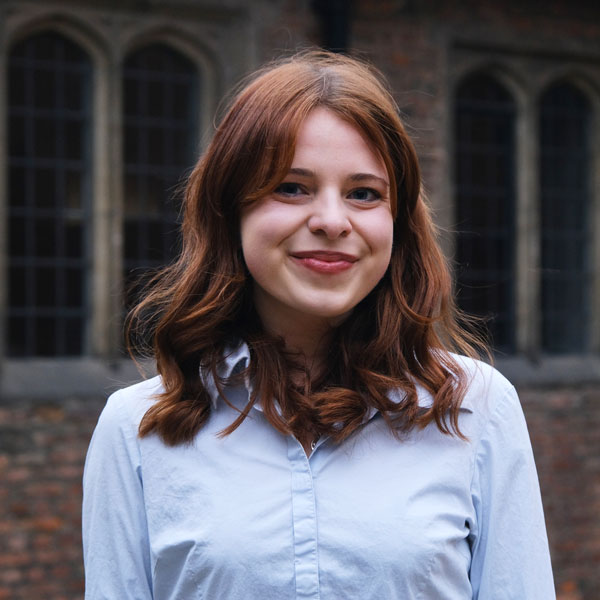
Georgie Middlemiss, undergraduate, 2023, History, Pembroke College
Winner – News
College rowing captains narrowly vote to exclude trans women
Varsity, 31/10/2025
“A very topical subject, of great relevance to its audience. The judges felt this was a thoroughly and well-reported piece, written in a clear, strong news style. It’s an evolving and sensitive topic which Georgie handled straightforwardly and sensitively.” – Prize judges
Reflecting on her love for journalism, Georgie says she is motivated by a belief that all stories must be “carefully investigated and platformed with the nuance and accuracy they deserve.” Reporting on gender inclusion in college sport showed how “behind a polarising issue was the work of ordinary students trying to balance their degrees alongside navigating complex eligibility laws, difficult decisions, and supporting struggling students.” Georgie describes student journalism as offering “eye-opening opportunities I deeply treasure; to speak with students across all areas of Cambridge life about issues they face, and be trusted with their stories.”
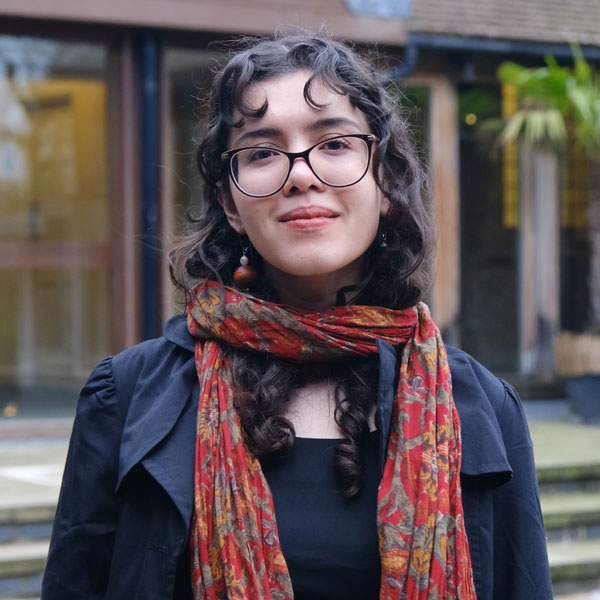
Leila Isa, undergraduate, 2023, History and Politics, King’s College
Winner – Features
Transnational Repression: Collaboration with Chinese Characteristics
The Cambridge Student, 04/07/2025
“The judges felt this was a courageous piece of journalism tackling an important and sensitive subject. The piece was thoroughly researched and carefully written, with an enticing opening paragraph and some vivid personal testimonies as well as good context.” – Prize judges
Discussing the motivation behind her piece, Leila explained that she was driven by the personal accounts she heard from students, friends, and family about the “very real, and deeply personal, effects of transnational repression.” She hopes her work can contribute to a stronger commitment from universities and the UK Government to “ensure student safety and support the work of human rights researchers.”
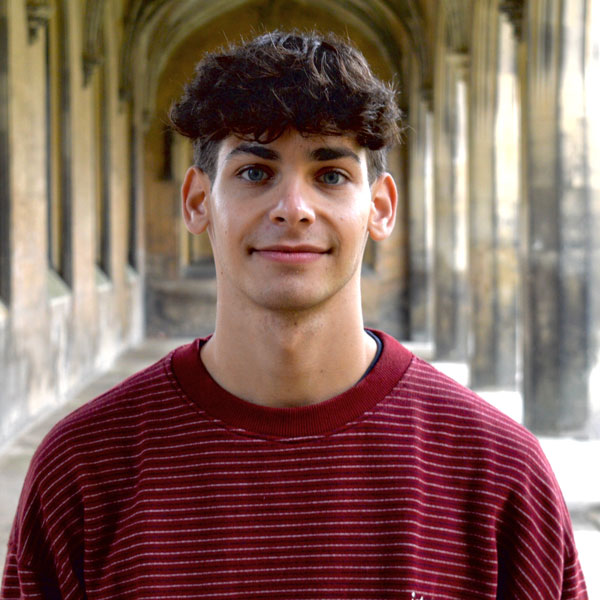
Charlie Rowan, undergraduate, 2024, History, Girton College
Runner-up – News
Cambridge PhD student accuses Pakistan intelligence of ‘state-sponsored threats’
Varsity, 24/01/2025
“This was a good piece of original journalism, an individual story well-told. The piece shone a light on a lesser-known example of foreign harassment extending to Cambridge.” – Prize judges
Charlie said he felt it was important to report on Roshaan Khattak’s experience of transnational repression, describing it as a “life‑and‑death issue that often goes unnoticed”. He emphasised the value of student journalism as a vital tool for accountability and storytelling, adding that he was glad the piece had an impact.
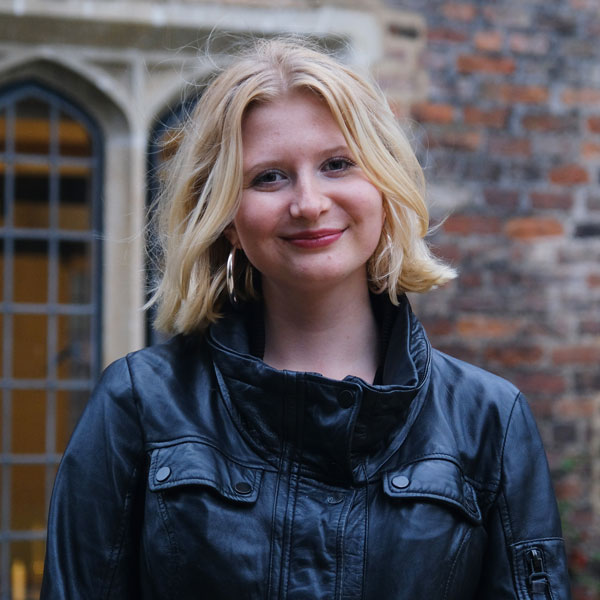
Emma Tenzler, undergraduate, 2024, History/POLIS, Jesus College
Runner-up – Features
The long road from Gaza to Cambridge
Varsity, 15/08/2025
“This was an impressive piece, and with an arresting opening paragraph. It showed real initiative about a very timely story as well as a good feel for strong quotes and the right official responses.” – Prize judges
Speaking about her work, Emma explained that, for her, “journalism is about creating empathy as much as it is about informing”. She chose her topic to “help people see the human realities behind political debates”, hoping the piece would bring those realities into clearer view.
The judges
The judging panel was formed of highly respected journalists, all Trinity Hall alumni, who are experienced in a range of media formats.
- Andrew Baker – Writer and Editor at The Telegraph
- James Coomarasamy – Presenter of The World Tonight and Newshour on the BBC and former BBC Russia Correspondent
- Mary Hockaday – Master, Trinity Hall; formerly Controller, BBC World Service English and Head of the BBC Newsroom
- Datshiane Navanayagam – Investigative reporter and broadcaster, reporting and presenting for the BBC, ITV and Channel 4
About the Trinity Hall Prize in Student Journalism
The Trinity Hall Prize in Student Journalism has been created to encourage aspiring journalists and recognise the importance of journalism in holding power to account and supporting a free, civil society.
Each year until 2030, prizes will be awarded to outstanding student journalists from across the University of Cambridge in the categories of News and Features. The Prize is open to both undergraduates and postgraduates studying any subject at the University of Cambridge. Applications for the 2026/7 Prize will open in Michaelmas term 2026.
The Prize is supported by Jim Passamano, Trinity Hall Law alumnus, and Beth Sufian.